

We live in a culture that tracks everything. We carry digital scores for our credit, performance metrics for our jobs, and permanent public receipts of our mistakes on social media. In this hyper-recorded world, a single misstep can feel like a life sentence. We carry the invisible, crushing weight of our past choices, constantly looking over our shoulders with deep regret and intense self-criticism.
This modern psychological pressure affects our spiritual lives too. It often turns into overthinking in Islam, where believers view themselves through a lens of chronic unworthiness, caught in an exhausting cycle of religious anxiety and guilt.
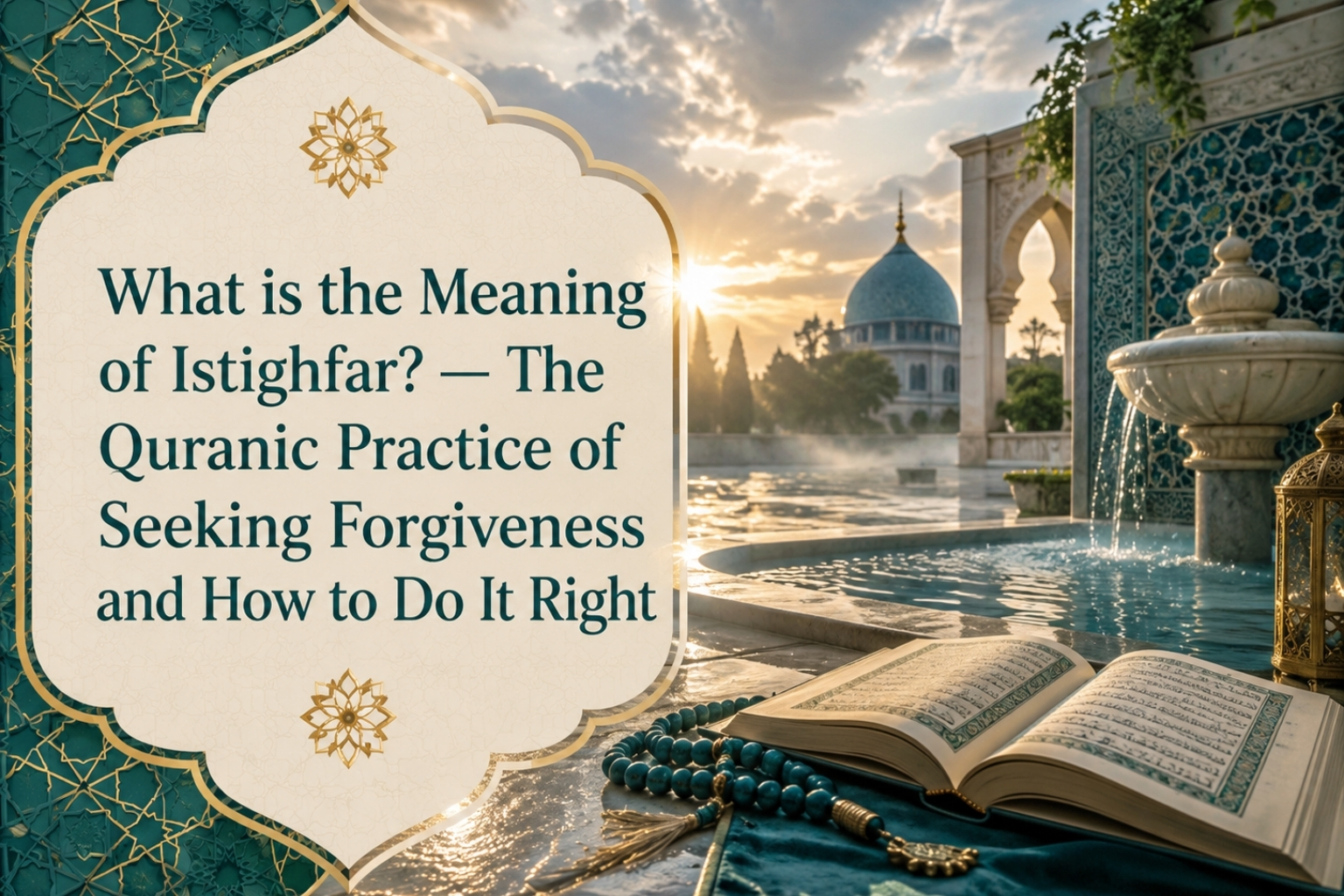
However, when we look at the final revelation through the lens of Tadabbur (deep Quranic reflection), we discover that Allah has built an elegant, instant delete key into the fabric of reality. It is a powerful psychological and spiritual practice called Istighfar (seeking forgiveness).
In Islamic psychology, Istighfar is not a depressing ritual designed to make you feel bad about yourself. It is a liberating, active strategy for healing anxiety with the Quran, clearing out mental clutter, and achieving total peace of mind.
Deconstructing the Root: The Hidden Shield of Istighfar
To understand what is the meaning of Istighfar, we must look beyond the common, simplified translation of “asking for forgiveness” and explore its classical Arabic root: Gha-Fa-Ra (غ ف ر).
In the language of the Quran, this root does not just mean to look past a mistake or wipe a slate clean. It carries two beautifully concrete meanings: covering and protecting.
THE DUAL PROTECTION OF THE ROOT غ ف ر |
1. AL-MAGHFIRAH (Spiritual Shield): Like a soldier’s helmet (Mighfar) that absorbs the impact of a strike, protecting the head from fatal damage. |
2. AL-SITR (Concealment): Beautifully covering the ugly reality of a mistake so it doesn’t humiliate or define you. |
THE REALITY SHIFT: Istighfar is your ultimate armor against both the worldly consequences and psychological pain of slips. |
When you say “Astaghfirullāh” (I seek the Maghfirah of Allah), you are not just saying, “Please don’t be angry with me.” You are declaring: “O Allah, I have made a messy mistake that exposes me to harm. I ask You to place a protective helmet over my life, absorb the impact of my error, cover my flaw from the world, and shield my soul from collapsing under the weight of my own actions.”
The Quranic Economic and Psychological Guarantee: Surah Nuh
Many people treat Istighfar as a defensive, last-resort prayer used only after committing a major sin. But the Quran presents it as a highly proactive, offensive strategy for unlocking material success, mental clarity, and emotional relief.
Consider the profound advice Prophet Nuh (Noah) gave to his broken, struggling nation as recorded in Surah Nuh:
“فَقُلْتُ اسْتَغْفِرُوا رَبَّكُمْ إِنَّهُ كَانَ غَفَّارًا يُرْسِلِ السَّمَاءَ عَلَيْكُم مِّدْرَارًا وَيُمْدِدْكُم بِأَمْوَالٍ وَبَنِينَ وَيَجْعَل لَّكُمْ جَنَّاتٍ وَيَجْعَل لَّكُمْ أَنْهَارًا”
“And I said, ‘Ask forgiveness of your Lord. Indeed, He is ever a perpetual Forgiver. He will send [rain from] the sky upon you in [abundant] showers, and give you increase in wealth and children, and provide for you gardens and provide for you rivers.'” — Surah Nuh, 71:10-12
Look at the direct relationship Allah creates between spiritual clearing and worldly relief. The text explicitly links Istighfar to:
- Abundant, nourishing rain (Midrārā).
- Sudden economic expansion and financial backing (Bi-amwāl).
- Generational strength and family stability (Banīn).
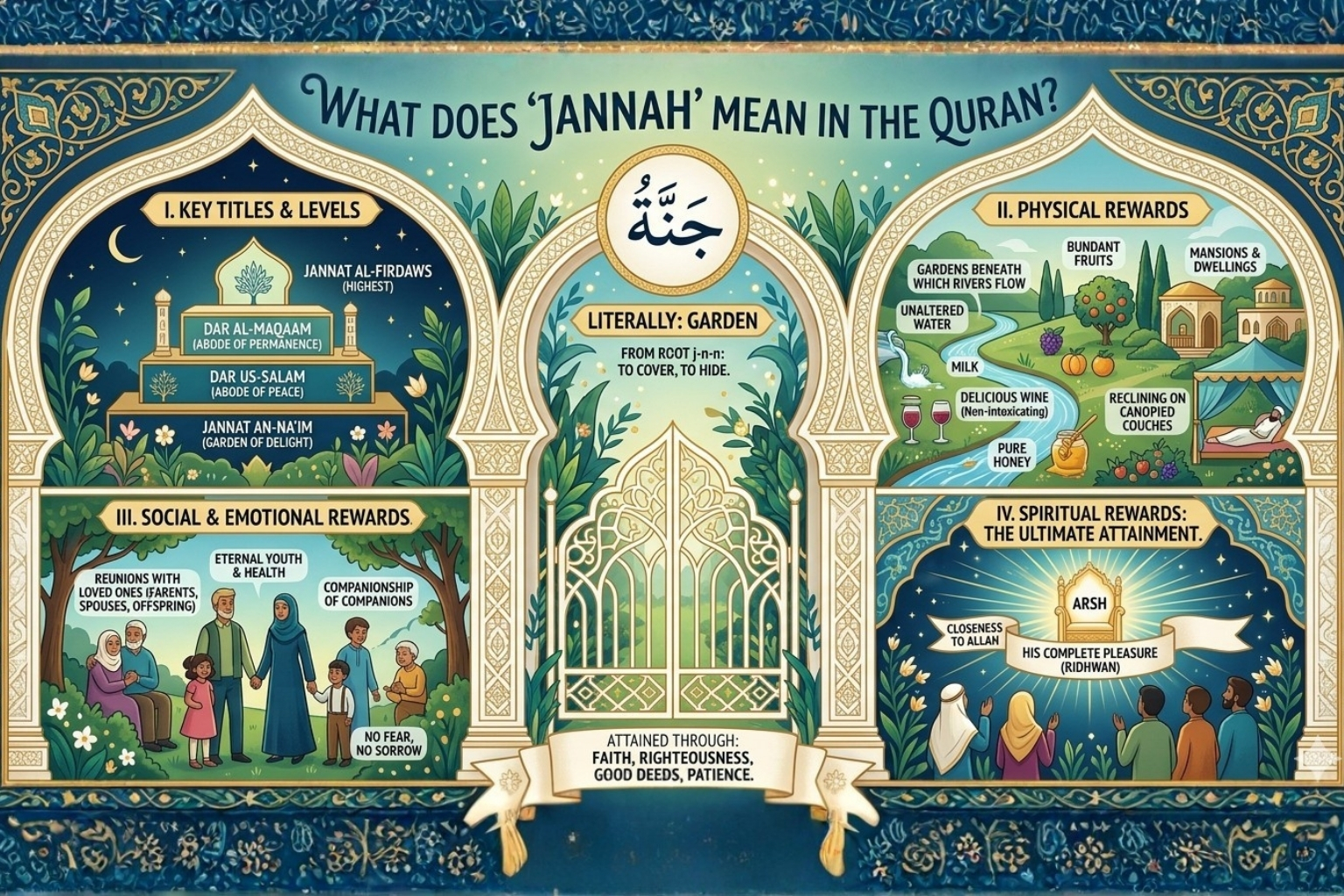
- Flawless peace, natural flow, and ultimate prosperity (Jannāt wa Anhār).
In modern psychological terms, unresolved guilt, trauma, and spiritual distance act like a massive emotional dam blockading your life. They drain your focus, create subconscious self-sabotage, and lock you into a state of chronic anxiety.
Istighfar completely shatters that dam. It cleanses your internal slate, allowing the natural blessings of trusting Allah’s plan to flow into your mental health, your career, and your relationships without restriction.
How to Practice Istighfar the Right Way
To unlock the full psychological power of this practice, we must move away from mechanical, rapid tongue-clicking repetitions of “Astaghfirullah” while our minds are completely drifting elsewhere. True Quranic Istighfar is an intentional, deeply mindful process that requires three clean steps:
- 1. Present-Moment Cognitive Awareness (Al-Iqla’): Pause your frantic pace. Look directly at the mistake, the negative thought loop, or the spiritual distance you are experiencing. Acknowledge it completely without making excuses or falling into self-loathing.
- 2. Radical Vulnerability with Al-Ghaffar (Al-Nadam): Open your hands and feel the honest weight of being an imperfect human being. Bring this vulnerability straight to Allah. Realize that how to trust Allah means knowing He already loves the fact that you are turning back to Him.
- 3. Affirming the Protection: Say the words of Istighfar slowly, letting your mind rest securely in the linguistic meaning of the root. Feel yourself actively stepping inside Allah‘s protective bunker, safe from the toxic fallout of your errors.
The Master Formula: Sayyid al-Istighfar
The Prophet Muhammad taught us the absolute gold standard of this practice, a comprehensive psychological and theological blueprint known as Sayyid al-Istighfar (The Master of Seeking Forgiveness):
“اللَّهُمَّ أَنْتَ رَبِّي لَا إِلَهَ إِلَّا أَنْتَ، خَلَقْتَنِي وَأَنَا عَبْدُكَ، وَأَنَا عَلَى عَهْدِكَ وَوَعْدِكَ مَا اسْتَطَعْتُ،
أَعُوذُ بِكَ مِنْ شَرِّ مَا صَنَعْتُ، أَبُوءُ لَكَ بِنِعْمَتِكَ عَلَيَّ، وَأَبُوءُ بِذَنْبِي فَاغْفِرْ لِي فَإِنَّهُ لَا يَغْفِرُ الذُّنُوبَ إِلَّا أَنْتَ”
“O Allah, You are my Lord. None has the right to be worshipped but You. You created me and I am Your servant, and I am faithful to my covenant and my promise as much as I am able. I seek refuge with You from the evil of what I have done. I completely acknowledge Your blessings upon me, and I completely acknowledge my sin. So forgive me, for none can forgive sins except You.”
Notice the exquisite psychological balance in this prayer. You start by stabilizing your identity (“You are my Lord… You created me”). You acknowledge your human limitations (“as much as I am able”). You completely separate your core self from the toxic action (“I seek refuge with You from the evil of what I have done”). Finally, you hold gratitude and accountability simultaneously in both hands (“I acknowledge Your blessings… and I acknowledge my sin”).
This is not a prayer of a defeated slave; it is the ultimate declaration of an empowered, self-aware Khalifah reclaiming their spiritual sovereignty.
Conclusion
The spectacular, deep cleansing system of Istighfar serves as the ultimate emotional restart button for any human soul exhausted by the toxic weights of worldly life. It stands as an intimate, incredibly loving guarantee from Allah that your past mistakes do not hold the keys to your future, and your slips can never overpower His infinite capacity to shield, protect, and heal you. You do not have to live your life in a state of hyper-vigilant panic, trapped in a bleak cycle of spiritual perfectionism or chronic self-blame. You are beautifully human, designed to learn through contrast, and invited to step into a sanctuary of absolute mercy at any moment. When you make mindful Istighfar your daily emotional baseline and place your complete confidence in trusting Allah’s plan, the suffocating shadows of anxiety and regret completely dissolve—leaving your mind beautifully wrapped in an unshakeable state of profound safety, enduring tranquility, and everlasting spiritual success.