

We live in a culture that deeply financializes emotional pain. Modern society frequently encourages us to keep a strict ledger of every slight, betrayal, and injustice we experience. We are conditioned to believe that holding onto a grudge is an act of self-protection, that boundary-setting requires cold emotional exile, and that refusing to forgive someone is a powerful way to retain control.
This emotional bookkeeping carries a crushing psychological tax. When you choose to carry an old grievance, your mind stays locked to the very person who harmed you. The brain doesn’t distinguish between a past memory and a present threat; consequently, harboring bitterness keeps your nervous system trapped in a state of chronic, low-grade stress. This emotional stagnation is a primary engine for overthinking in Islam, where a believer can easily spend countless hours trapped in past loops of “How could they do that to me?” or “They ruined everything.”
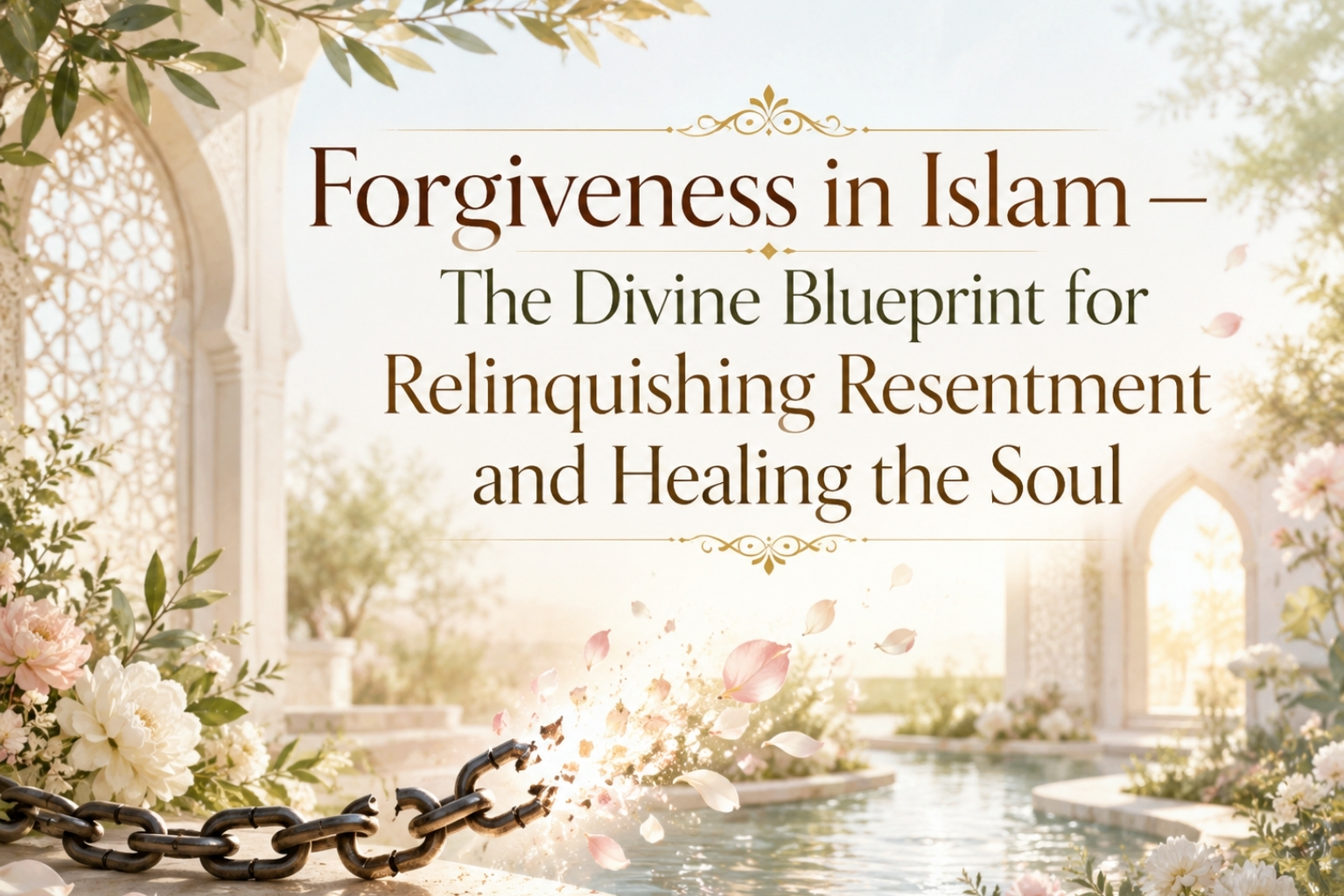
However, when we explore the divine text through Tadabbur (deep Quranic reflection), we uncover a revolutionary framework for emotional liberation. Islam completely reframes forgiveness (`Afw and Maghfirah) not as a passive surrender to injustice, but as an elite act of spiritual mastery, a profound catalyst for healing anxiety with the Quran, and the ultimate path to true peace of mind.
The Master Matrix: The Three Horizons of Forgiveness
In Islamic psychology, forgiveness is not a vague, singular emotion. It is a highly structured, active ecosystem that operates across three distinct horizons. To find true relief, you must understand how these horizons interact:
Horizon of Forgiveness | The Dynamic | The Spiritual and Psychological Target |
1. Divine Forgiveness (Maghfirah) | Seeking the concealment and wiping away of your own flaws and transgressions from Allah. | Dissolves the paralyzing guilt and shame of your past, replacing it with the warmth of divine mercy. |
2. Interpersonal Forgiveness (`Afw) | Consciously choosing to pardon human beings who have violated your rights, broken your trust, or caused you pain. | Relinquishes the toxic emotional baggage of the past; breaks your mental attachments to your offenders. |
3. Intrapersonal Forgiveness | Extending the gentle mercy of Istighfar (seeking forgiveness) to your own soul for your past spiritual slips and poor choices. | Cures self-hatred, restores psychological integration, and allows you to move forward with dignity. |
This holistic ecosystem is built entirely on a profound, beautiful spiritual mirror: If you desire to receive the absolute, sweeping forgiveness of Allah for your massive flaws, you must become a conduit of forgiveness for the flawed creations around you. This reality is laid bare in a stunning, deeply personal verse of Surah An-Nur:
“وَلْيَعْفُوا وَلْيَصْفَحُوا ۗ أَلَا تُحِبُّونَ أَن يَغْفِرَ اللَّهُ لَكُمْ ۗ وَاللَّهُ غَفُورٌ رَّحِيمٌ”
“…and let them pardon and overlook. Would you not like that Allah should forgive you? And Allah is Forgiving and Merciful.”
— Surah An-Nur, 24:22
The Prophetic Paradigm: Power Accompanied by Pardon
The absolute gold standard of interpersonal forgiveness is found in the life of the Prophet Muhammad. True forgiveness is not born out of helplessness or a lack of options; true forgiveness is when you possess the absolute power to crush your oppressor, yet you choose to open your hand and release them.
For over a decade, the pagan aristocracy of Makkah subjected the early Muslim community to brutal economic boycotts, physical torture, assassination plots, and psychological terror. They drove the Prophet out of his beloved birthplace and killed his closest family members.
Years later, when the Prophet marched back into Makkah as an absolute, unchallenged conqueror at the head of a massive army, the very people who had spent twenty years trying to destroy him stood before him, terrified, expecting summary execution.
The Prophet looked at his former persecutors and asked: “What do you think I am going to do to you today?” They replied, “You are a noble brother and the son of a noble brother.”
The Prophet then delivered a masterclass in cosmic emotional healing:
“I say to you as Joseph said to his brothers: ‘No blame will there be upon you today.’ Go, for you are entirely free.” — Sunan al-Kubra by al-Bayhaqi, 18055
By choosing `Afw over retaliation at the absolute peak of his political power, the Prophet did not just liberate his enemies—he completely dissolved the cycle of generational bloodshed and proved that a soft, merciful heart is the supreme manifestation of human strength.
Psychological Liberation: How Forgiveness Breaks the Chains of Anxiety
When you commit to cultivating a heart of forgiveness for the sake of trusting Allah’s plan, your internal mental space undergoes a magnificent transformation.
Many people mistakenly believe that forgiving someone means validating their toxic behavior, condoning abuse, or inviting them back into your life to harm you again. It does not. Islam does not demand that you remain in harm’s way or subject your soul to ongoing toxicity.
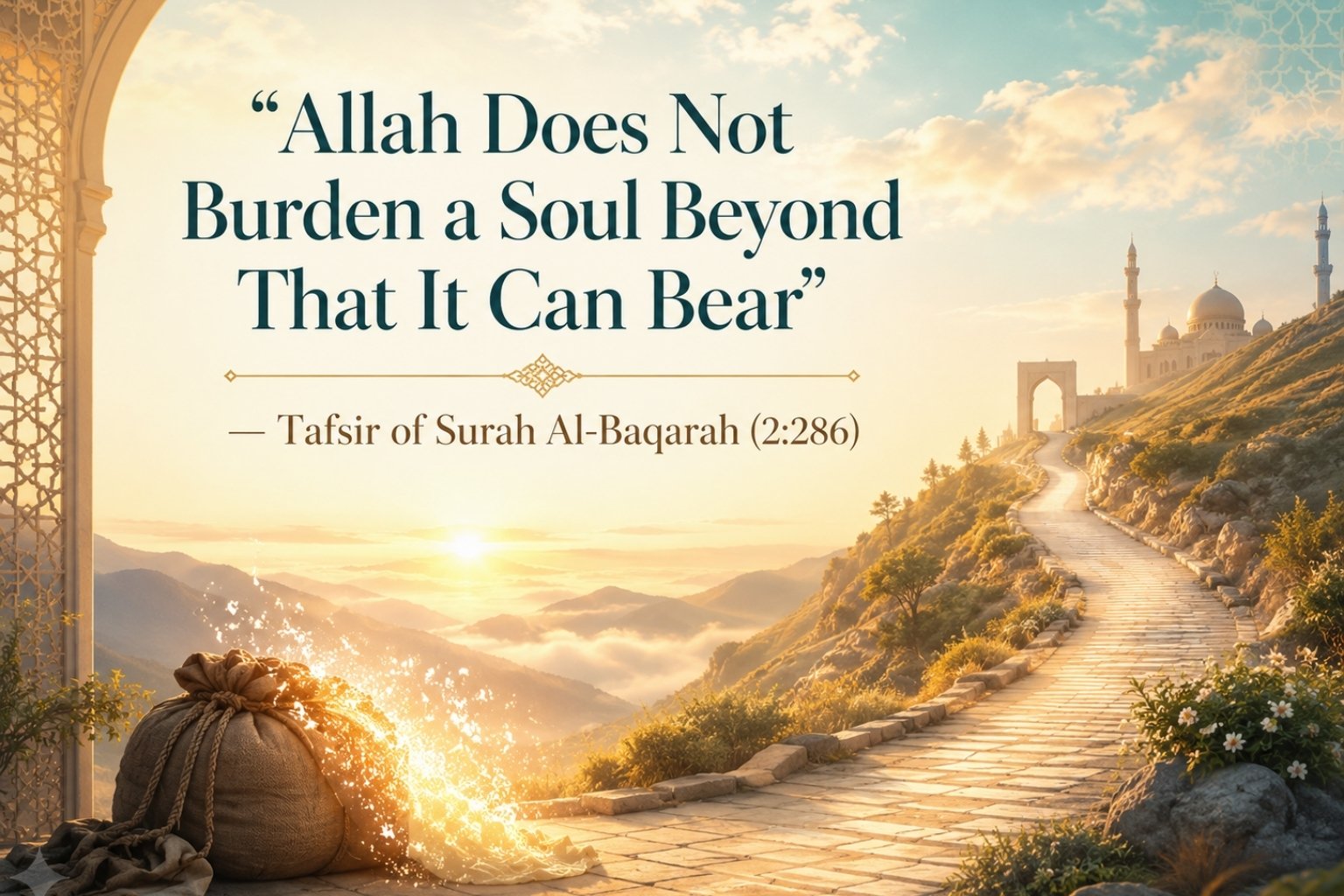
Forgiveness is an internal, spiritual transaction between you and Allah. It means you stop waiting for the person who broke you to fix you.
- Reclaiming Your Emotional Capital: When you refuse to forgive, you are actively giving your offender free rent inside your skull. You are allowing them to dictate your current mood, your anxiety levels, and your spiritual state. Forgiveness is the act of evicting them.
- Surrendering the Case to the Ultimate Judge: When you forgive someone for the sake of Allah, you are not saying what they did was okay. You are simply closing your personal ledger and handing the entire file over to Al-Hakam (The Ultimate Judge) and Al-Adl (The Utterly Just). You say: “O Allah, I am too small to carry this heavy case. I surrender it to Your perfect justice, and I choose to receive Your love instead.”
This realization provides an unparalleled baseline of safety. You step off the exhausting, toxic treadmill of seeking human vengeance, and you anchor your peace entirely in how to trust Allah.
Actionable Steps to Walk the Path of Forgiveness
- Draft and Burn the Grievance Ledger: Think of the one person whose past actions still bring a hot wave of anger or anxiety to your chest. Sit down and write out exactly what they did to you on a blank piece of paper. Cry if you must. Then, look at the paper and say out loud: “O Allah, for Your sake, I release this debt. I ask You to heal my heart and give me better than what was taken.” Fold the paper, safely burn or shred it, and actively refuse to revisit the details of that case ever again.
- Practice the Midnight Istighfar Session: Before you close your eyes to sleep every single night, clear the slate of your heart. Make a deliberate, conscious intention to forgive every human being who may have spoken ill of you, slighted you, or ignored you during the day. Do not let the sun set on a bitter heart. Match this by making a sincere session of Istighfar for your own shortcomings, sleeping with a perfectly clean, integrated soul.
- Separate Forgiveness from Reconciliation: Understand that you can completely forgive someone to achieve emotional closure while simultaneously maintaining rock-solid, healthy boundaries to protect your mental health and safety. You can make deep Du’a (supplication) for someone’s guidance and well-being from a safe distance without ever allowing them back into your personal, daily space.
Conclusion
The breathtaking, expansive concept of forgiveness in Islam serves as the definitive spiritual medicine for a world fractured by resentment, isolation, and psychological pain. Islam reminds you that your human heart was never engineered to carry the burning charcoal of old grudges, malice, or structural bitterness. You do not have to live your life in a state of permanent emotional defense, nursing your wounds and waiting for a broken creation to make things right. You are a noble Khalifah (steward) designed to walk this earth with an elevated soul, clear vision, and a wide heart that reflects the sublime, sweeping mercy of your Maker. When you willingly choose to drop the exhausting baggage of past betrayals, surrender your cases to the perfect justice of Allah, and place your complete confidence in trusting Allah’s plan, the suffocating fog of trauma-driven anxiety completely evaporates—leaving your mind beautifully wrapped in an unshakeable state of profound safety, enduring tranquility, and everlasting spiritual success.