

Many people want to experience a deeper connection with the Holy Book, but they often don’t know where to start. They open a Quran translation, read a few pages, and wonder, “Am I doing this right? How do I actually reflect?”
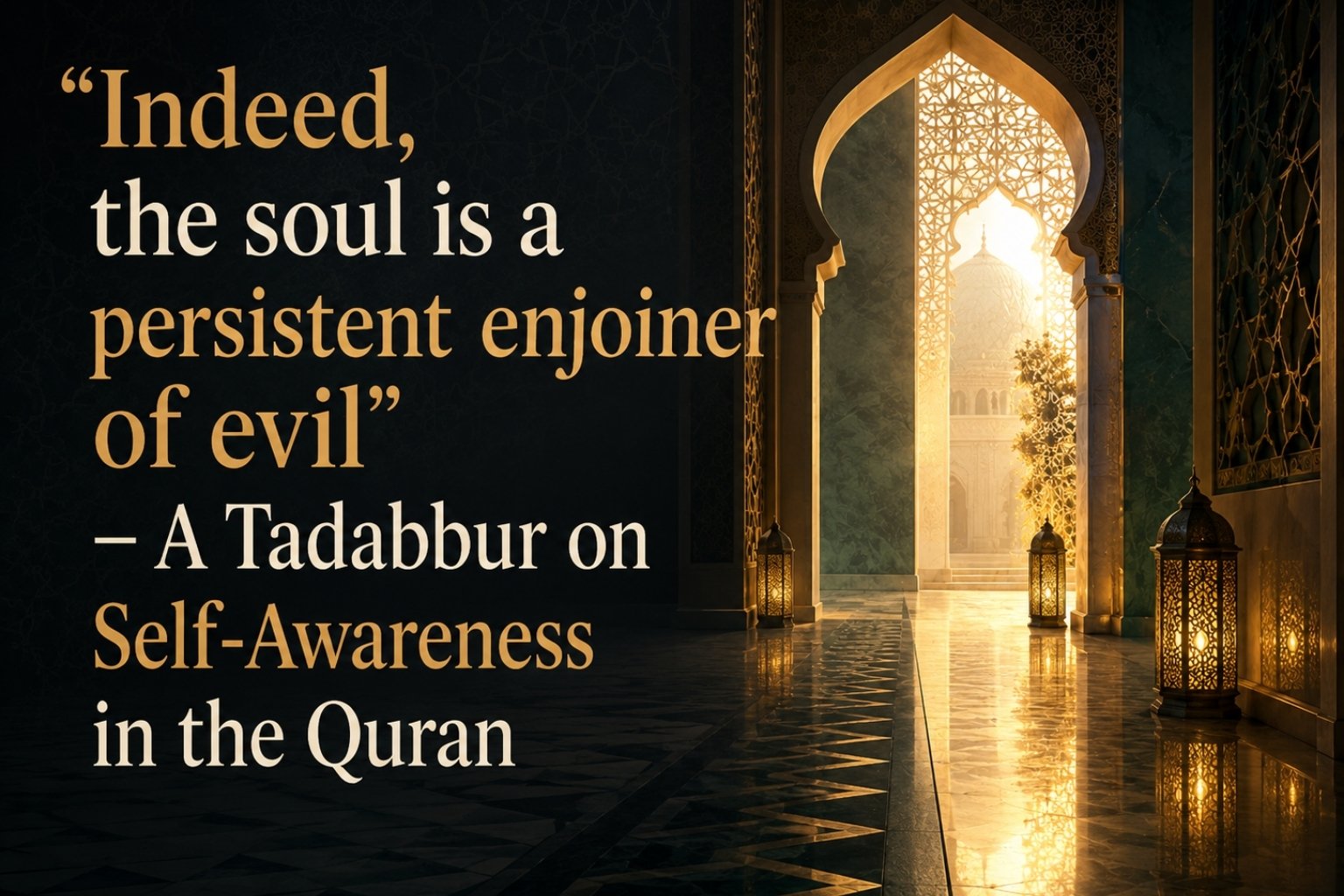
The Arabic word for deep reflection is Tadabbur. It means to look at the ends of things, to ponder the ultimate consequences, and to look beneath the surface of the words to find practical guidance for your life. If you have never done a structured reflection session before, this step-by-step guide will help you set up your very first Tadabbur session and build a meaningful, transformative spiritual routine.
Step 1: Set the Scene and Create Your Space
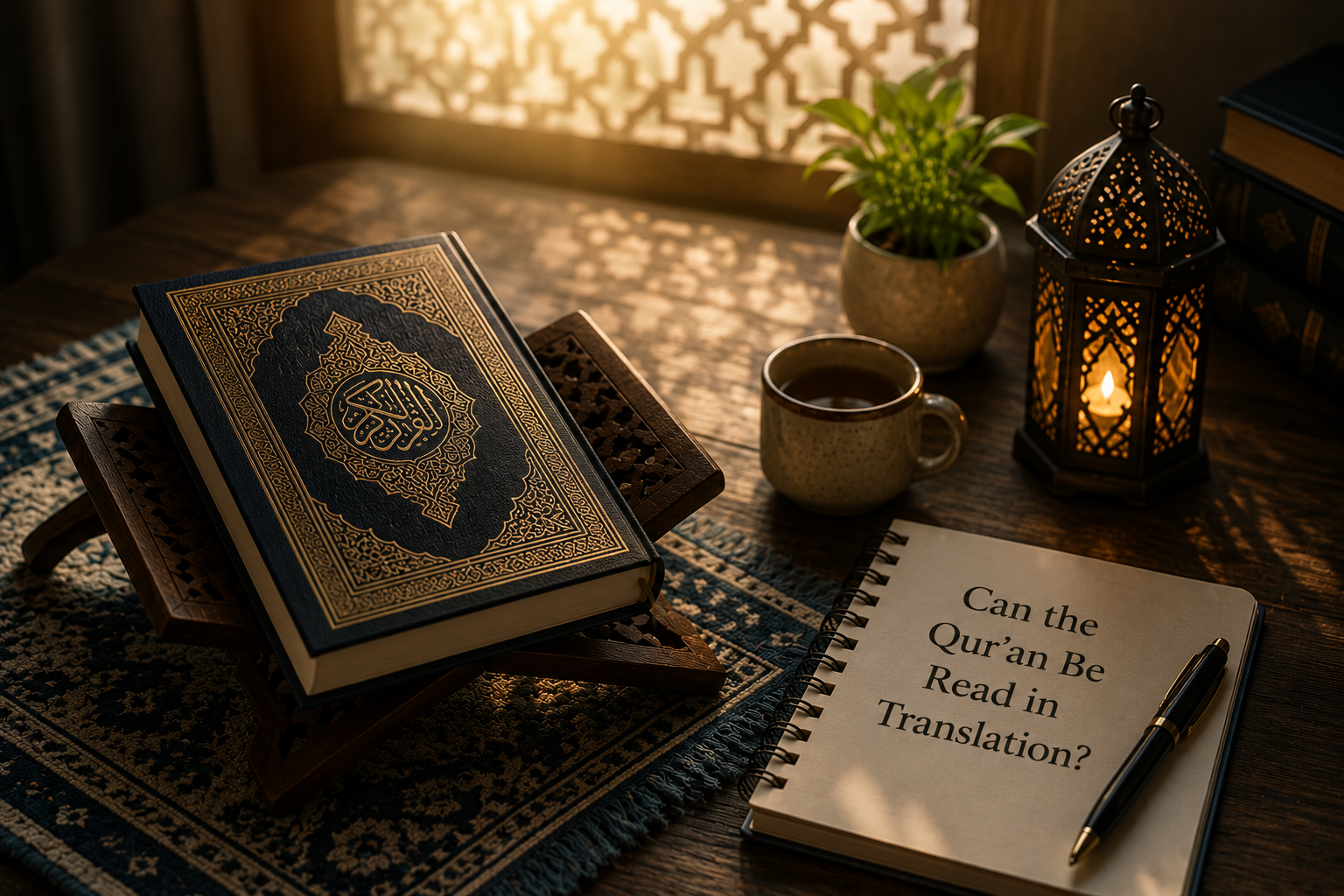
Before you even open the book, you need to minimize external and internal distractions. Tadabbur is an act of deep focus, not something to be rushed between tasks.
- Choose a Quiet Time: Early morning (after Dawn/Fajr) or late at night are traditionally the best times because the world is quiet and your mind is clear.
- Find a Dedicated Spot: Sit in a comfortable, well-lit place where you won’t be interrupted.
- Put Away Your Phone: Turn off notifications. If you are using a digital Quran app, turn on “Do Not Disturb” mode to protect your focus.
Step 2: Clear Your Mind (The 60-Second Intent)
Spend one minute in complete silence. Take a few deep breaths and consciously change your mindset from daily stress to spiritual openness.
Say a short, heartfelt prayer in your own words, asking for clarity. For example: “O Creator, open my heart to Your words today, remove my biases, and let me find the guidance I need for my life.” This small step ensures your spiritual readiness and sets a pure intention.
Step 3: Select a Small Passage (Quality Over Quantity)
For your first Tadabbur session, do not try to read an entire chapter. Instead, choose a very small, manageable portion—just 3 to 5 verses.
If you don’t know where to start, choose a passage from the shorter chapters at the end of the book (such as Surah Al-Asr or Surah Al-Ikhlas), or pick a famous verses about peace, nature, or divine mercy (like Ayat al-Kursi or the closing verses of Surah Al-Baqarah).
Step 4: Read, Re-read, and Listen
Now, begin interacting with the text using a simple three-step reading process:
- Read the Translation: Read the verses slowly in English to get the general meaning.
- Listen to the Arabic (Optional): Even if you don’t speak the language, playing a beautiful audio recitation while following along with the English text can deeply move your emotions and slow your reading speed down.
- Read a Simple Commentary (Tafsir): Look up a brief explanation of these verses to understand the basic historical context or the reasons behind their revelation.
Step 5: Ask the “Three Core Questions”
This is where the actual Tadabbur happens. Grab a notebook or a journal and write down your answers to these three specific questions regarding the verses you just read:
- Question 1 (The Objective Meaning): What is the main message or moral value being highlighted in this verse? (e.g., patience, gratitude, justice, humility).
- Question 2 (The Personal Mirror): How does this apply to my life right now? Am I lacking in this quality? Does this verse describe a challenge I am currently facing?
- Question 3 (The Action Plan): What is one practical thing I can do today to live this verse? (e.g., If the verse is about kindness to parents, your action could be sending a text to your mother; if it’s about patience, your action is staying calm during traffic).
Step 6: Close with Gratitude
End your session by reflecting on how it felt to engage deeply with the revelation. Thank the Divine for giving you the time, the intellect, and the opportunity to ponder His words. Close your journal, and carry that one practical action step with you into the rest of your day.
Conclusion: Consistency Beats Intensity
Congratulations! You have just completed your first Tadabbur session.
Remember, you do not need to spend hours doing this every day. Spending just 10 to 15 minutes three times a week using this structured guide is far better than reading hours of text without reflection. By slowing down and asking the right questions, you will quickly find that the Quran transforms from an ancient book into a living, highly personal guide for your modern life.