
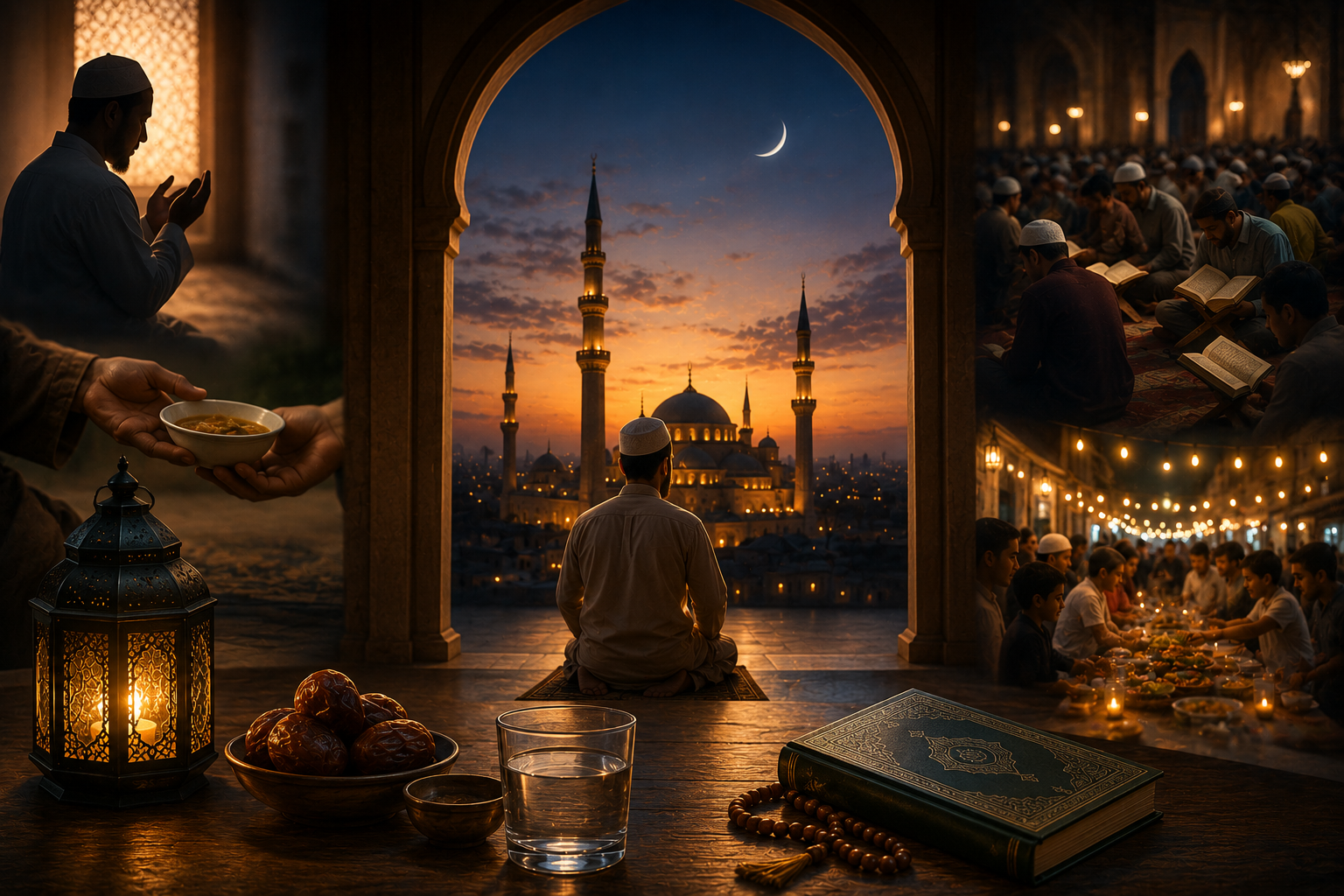

Every year, for one entire month, millions of people across the world wake up before sunrise to eat a small meal, spend the day without food or water, and gather again at sunset to break their fast.
Cities change rhythm. Mosques become more crowded. Families gather late into the night. Acts of charity increase. The Qur’an is recited more frequently, and daily life begins to revolve around worship, reflection, and self-discipline.
This month is Ramadan — one of the most spiritually significant 1 periods in Islam.
To many outsiders, fasting for an entire month may appear physically difficult or even impossible. Yet for those who experience Ramadan deeply, fasting becomes far more than simply avoiding food and drink. It becomes a journey of spiritual renewal 2, self-control, gratitude, and closeness to Allah.
Ramadan is not designed to starve the body. It is meant to awaken the soul.
The Month in Which the Qur’an Was Revealed
Ramadan holds a unique status because it is the month in which the first verses of the Qur’an were revealed.
Allah says:
“شَهْرُ رَمَضَانَ الَّذِي أُنزِلَ فِيهِ الْقُرْآنُ هُدًى لِّلنَّاسِ وَبَيِّنَاتٍ مِّنَ الْهُدَىٰ وَالْفُرْقَانِ”
“The month of Ramadan is the one in which the Qur’an was revealed as guidance for humanity, clear proofs of guidance, and the criterion between right and wrong.”
— Surah Al-Baqarah (2:185)
Because of this connection, رمضان is deeply associated with:
- Reflection
- Worship
- Qur’an recitation
- Spiritual purification
Throughout the month, many people attempt to read or listen to the entire Qur’an, reconnecting themselves with its message in a way that often becomes emotionally transformative 3.
Fasting Is About More Than Hunger
The Arabic word for fasting is Sawm, which means to abstain.
From dawn until sunset, fasting Muslims abstain 4 from:
- Food
- Drink
- Smoking
- Marital relations
But Ramadan is not only about physical restraint 5.
The deeper purpose of fasting is to train the human being spiritually and morally. It teaches a person how to control desires rather than become controlled by them.
The Qur’an explains this purpose clearly:
“يَا أَيُّهَا الَّذِينَ آمَنُوا كُتِبَ عَلَيْكُمُ الصِّيَامُ كَمَا كُتِبَ عَلَى الَّذِينَ مِن قَبْلِكُمْ لَعَلَّكُمْ تَتَّقُونَ”
“O you who believe, fasting has been prescribed for you as it was prescribed for those before you so that you may attain consciousness of Allah.”
— Surah Al-Baqarah (2:183)
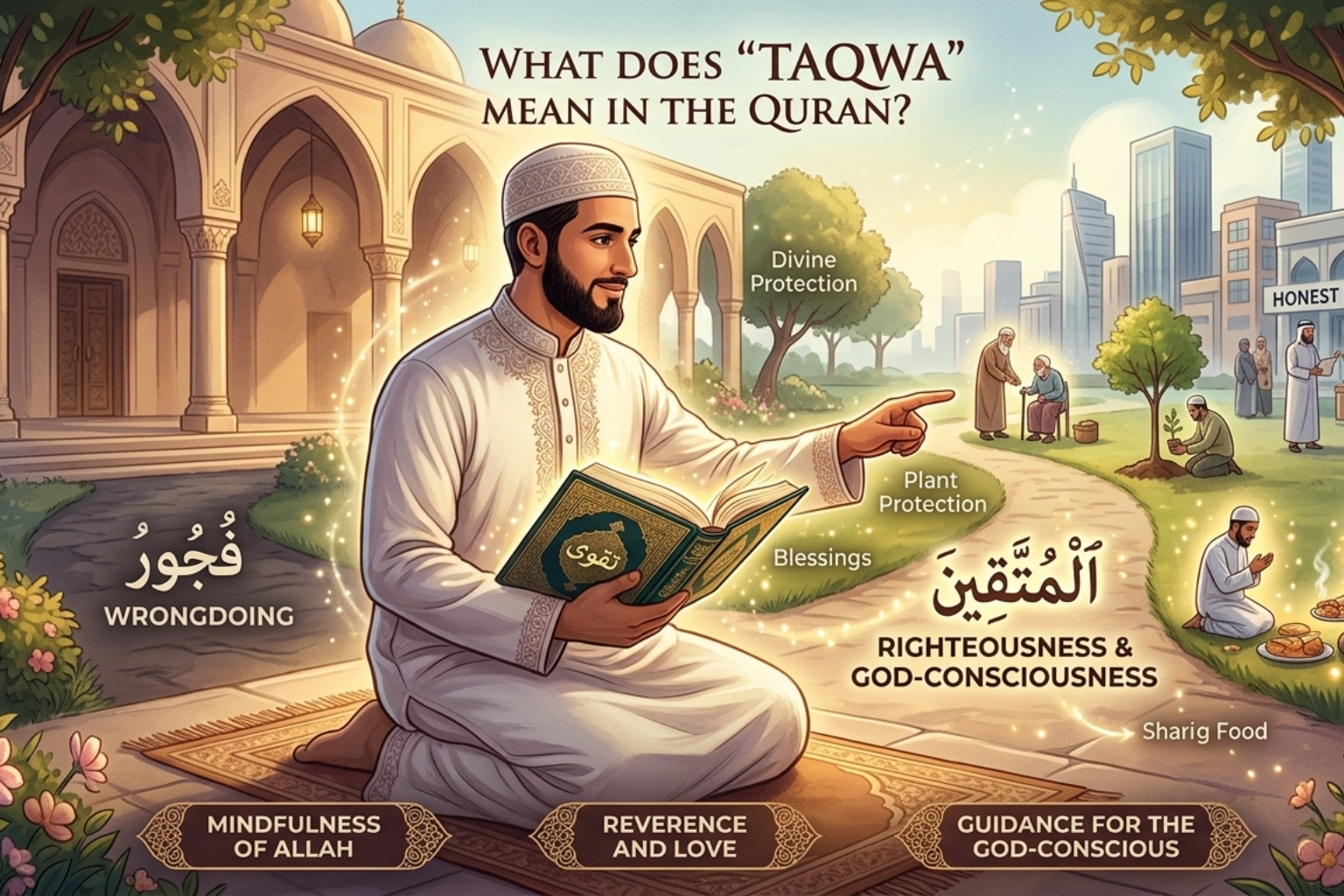
This awareness of Allah — known as taqwa — is one of the greatest goals of Ramadan.
When a person voluntarily leaves food and drink despite being fully able to consume them privately, the heart develops sincerity 6, discipline, and self-restraint.
Ramadan Changes the Rhythm of Life
One of the remarkable aspects of Ramadan is how it changes not only individuals, but entire communities.
Daily routines shift dramatically.
People wake before sunrise for Suhoor — the pre-dawn meal. Families gather again at sunset for Iftar — the meal that breaks the fast. Mosques become alive late into the night with prayer and Qur’an recitation.
Even ordinary moments begin to feel spiritually meaningful.
For many, Ramadan becomes a temporary escape from the constant distractions of modern life:
- Endless entertainment
- Social media overload
- Material obsession
- Stress and noise
The month creates space for reflection and inner calm.
Hunger Creates Empathy
A person who never experiences hunger may struggle to truly understand the suffering of others.
Ramadan changes this.
Fasting allows people to physically experience weakness, thirst, and exhaustion — even if only temporarily. This experience softens the heart and increases compassion 7 toward those who struggle daily with poverty and hardship.
This is one reason charity increases dramatically during Ramadan.
The Prophet Muhammad ﷺ was known for extraordinary generosity during this month.
عبد الله بن عباس رضي الله عنهما said:
“كَانَ رَسُولُ اللَّهِ ﷺ أَجْوَدَ النَّاسِ، وَكَانَ أَجْوَدَ مَا يَكُونُ فِي رَمَضَانَ”
“The Messenger of Allah ﷺ was the most generous of people, and he was even more generous during Ramadan.”
— Sahih al-Bukhari (6)
Across the Muslim world, people feed the poor, distribute meals, donate money, and increase acts of kindness throughout the month.
Ramadan and Self-Control
Modern culture constantly encourages instant gratification 8.
People are taught to satisfy every desire immediately:
- Food
- Entertainment
- Attention
- Pleasure
- Consumption
Ramadan teaches the opposite.
Fasting trains the human being to say “no” to impulses 9 and desires. It develops patience and strengthens the ability to control emotions, anger, and behavior.
The Prophet Muhammad ﷺ said:
“فَإِذَا كَانَ يَوْمُ صَوْمِ أَحَدِكُمْ فَلَا يَرْفُثْ وَلَا يَصْخَبْ”
“When one of you is fasting, he should avoid obscene speech and arguments.”
— Sahih al-Bukhari (1904), Sahih Muslim (1151)
This shows that fasting is not only about the stomach — it is also about the tongue, the eyes, the heart, and behavior.
The Spiritual Power of Night Prayer
One of the most emotional aspects of Ramadan is the night prayer known as Taraweeh.
After the night prayer, worshippers gather in mosques while long portions of the Qur’an are recited aloud.
The atmosphere often feels deeply spiritual:
- Silence fills the mosque
- Qur’anic recitation echoes softly
- People stand together for long periods in worship
For many people, these nights become moments of reflection, repentance 10, and emotional healing.
Some worshippers are moved to tears while listening to verses about mercy, forgiveness, death, or the afterlife.
Ramadan reconnects many hearts with Allah in ways difficult to describe.
Laylat al-Qadr: The Night Better Than a Thousand Months
During the final ten nights of Ramadan comes one of the most sacred nights in Islam: Laylat al-Qadr — the Night of Decree.
The Qur’an says:
“لَيْلَةُ الْقَدْرِ خَيْرٌ مِّنْ أَلْفِ شَهْرٍ”
“The Night of Decree is better than a thousand months.”
— Surah Al-Qadr (97:3)
This night is associated with immense mercy, forgiveness, and worship.
Many spend these nights praying, reading the Qur’an, and asking Allah for guidance and forgiveness.
Ramadan Is Not Meant to Be Easy
Fasting can be difficult.
There are moments of hunger, tiredness, thirst, and exhaustion. Yet Islam does not view hardship itself as meaningless. Sometimes spiritual growth emerges precisely through struggle and discipline.
Ramadan teaches that human beings are stronger than their desires.
It reminds people that true freedom is not found in endless consumption 11, but in mastering the self.
Conclusion
Ramadan is far more than a month of fasting. It is a season of spiritual transformation that reconnects the human being with Allah, discipline, gratitude, compassion, and purpose.
Through hunger, worship, prayer, and reflection, hearts soften and priorities change. The noise of worldly life becomes quieter, allowing space for faith to grow.
For millions around the world, رمضان is not simply endured — it is deeply loved.
Because within this sacred month, many people rediscover peace within themselves and closeness to their Creator.