
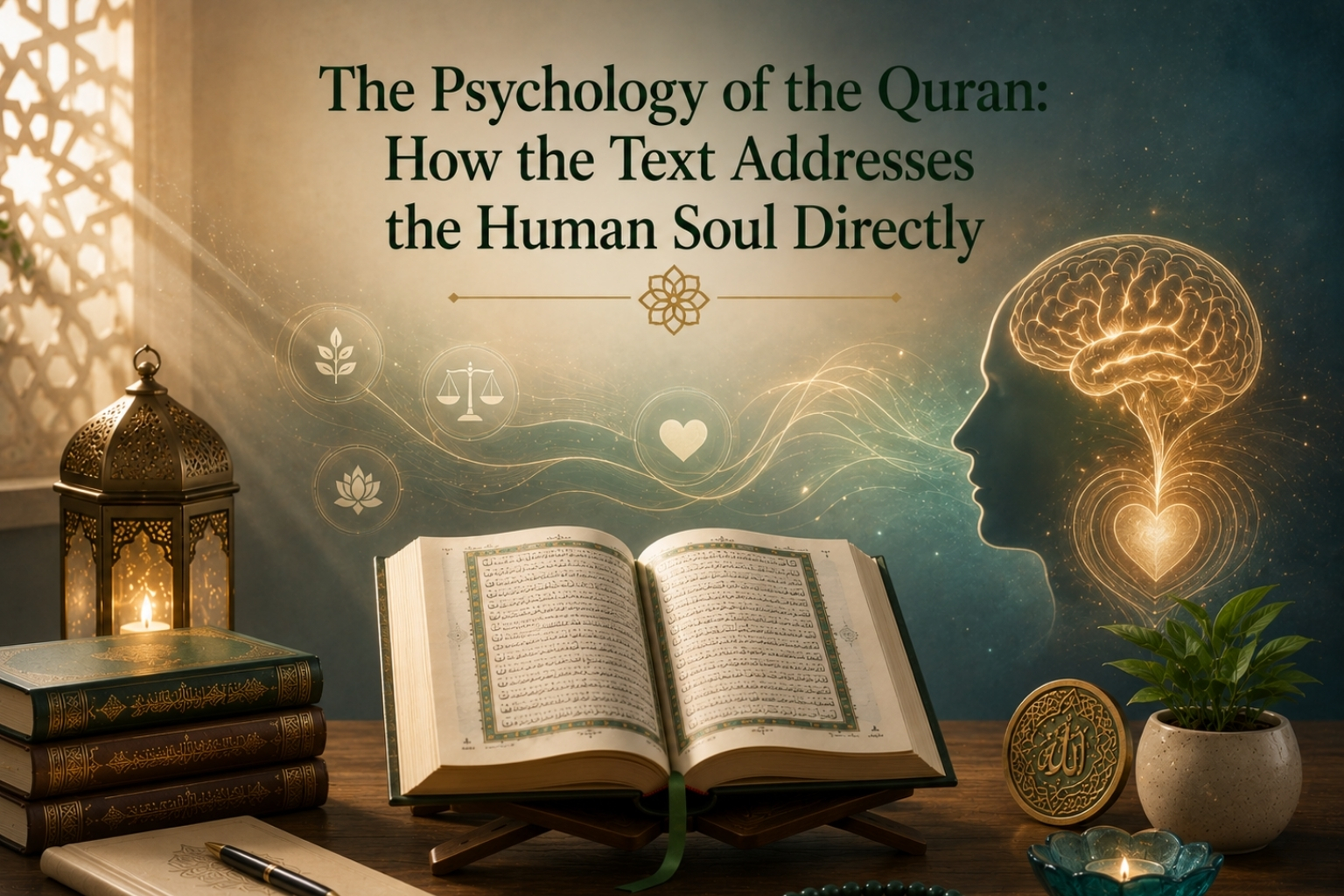

When we study modern psychology, we often look at frameworks that analyze human behavior, emotions, and mental health. While these contemporary tools are incredibly valuable, the Holy Book approaches the human being from a holistic perspective that integrates the mind, emotion, and spirit. This divine framework can be described as the Psychology of the Quran.
Unlike books that speak about human nature in an abstract, academic way, this text speaks directly to the human soul (Al-Nafs). It bypasses social status, cultural backgrounds, and intellectual barriers to address the core emotions every human experiences: fear, anxiety, grief, pride, and the deep longing for inner peace.
Understanding how the revelation speaks to your inner self can transform your reading into a deeply therapeutic experience of emotional healing and profound self-reflection.
The Three States of the Human Soul
Quranic psychology categorizes the human inner self into three distinct, dynamic developmental stages. The text doesn’t view human nature as static; rather, it recognizes that our spiritual and emotional states fluctuate:
1. The Soul that Instigates Evil (Nafs al-Ammarah)
This is the primitive, ego-driven state of the soul. It is ruled by raw desires, unchecked impulses, and selfishness. If left undisciplined, it leads an individual toward destructive behaviors and moral decay. The text addresses this state by setting healthy boundaries, encouraging self-control, and warning against the dangers of becoming a slave to one’s ego.
2. The Self-Accusing Soul (Nafs al-Lawwamah)
This state represents the active human conscience. It is the soul that feels regret, guilt, and friction whenever it falls short or makes a mistake. The Quran highly honors this psychological state, even swearing an oath by it. It is the engine of positive change; it prompts an individual toward self-reflection, accountability, and the desire to mend what is broken.
3. The Soul at Peace (Nafs al-Mutma’innah)
This is the ultimate psychological and spiritual destination. It is a state of emotional stability, deep contentment, and resilience. A soul in this state is not shaken by the chaotic ups and downs of life because it is firmly anchored in divine trust (Tawakkul). It is free from psychological chronic anxiety (Khawf) and regretful grief (Hazan).
How the Divine Text Speaks to Everyday Human Emotions
The language of the revelation is uniquely structured to provide immediate psychological comfort. It addresses our daily mental and emotional struggles through distinct divine mechanisms:
- Validating Grief and Anxiety: The text never dismisses human suffering or tells the reader to simply “get over it.” It acknowledges the heartbreak of its Prophets, describing how their chests felt tight with grief or how their eyes became white from crying. By validating these emotions, it creates a safe space for human vulnerability.
- Reframing Hardship: Modern cognitive behavioral therapy (CBT) relies heavily on “cognitive reframing”—changing how a person views a situation. The Quran is the ultimate tool for reframing. It constantly shifts the reader’s perspective on suffering by stating: “With hardship comes ease” and explaining that life trials are not necessarily punishments, but opportunities for character development and spiritual elevation.
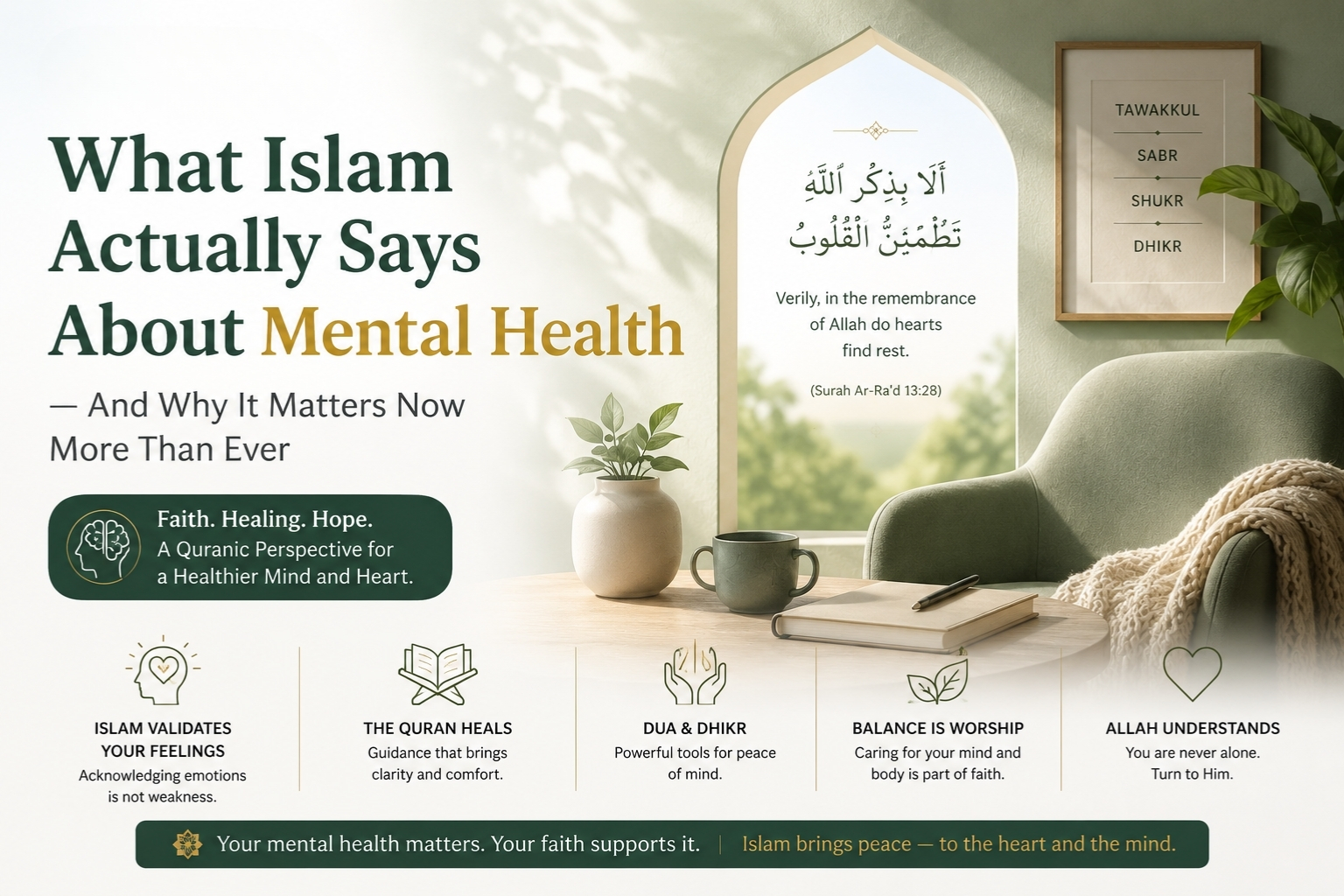
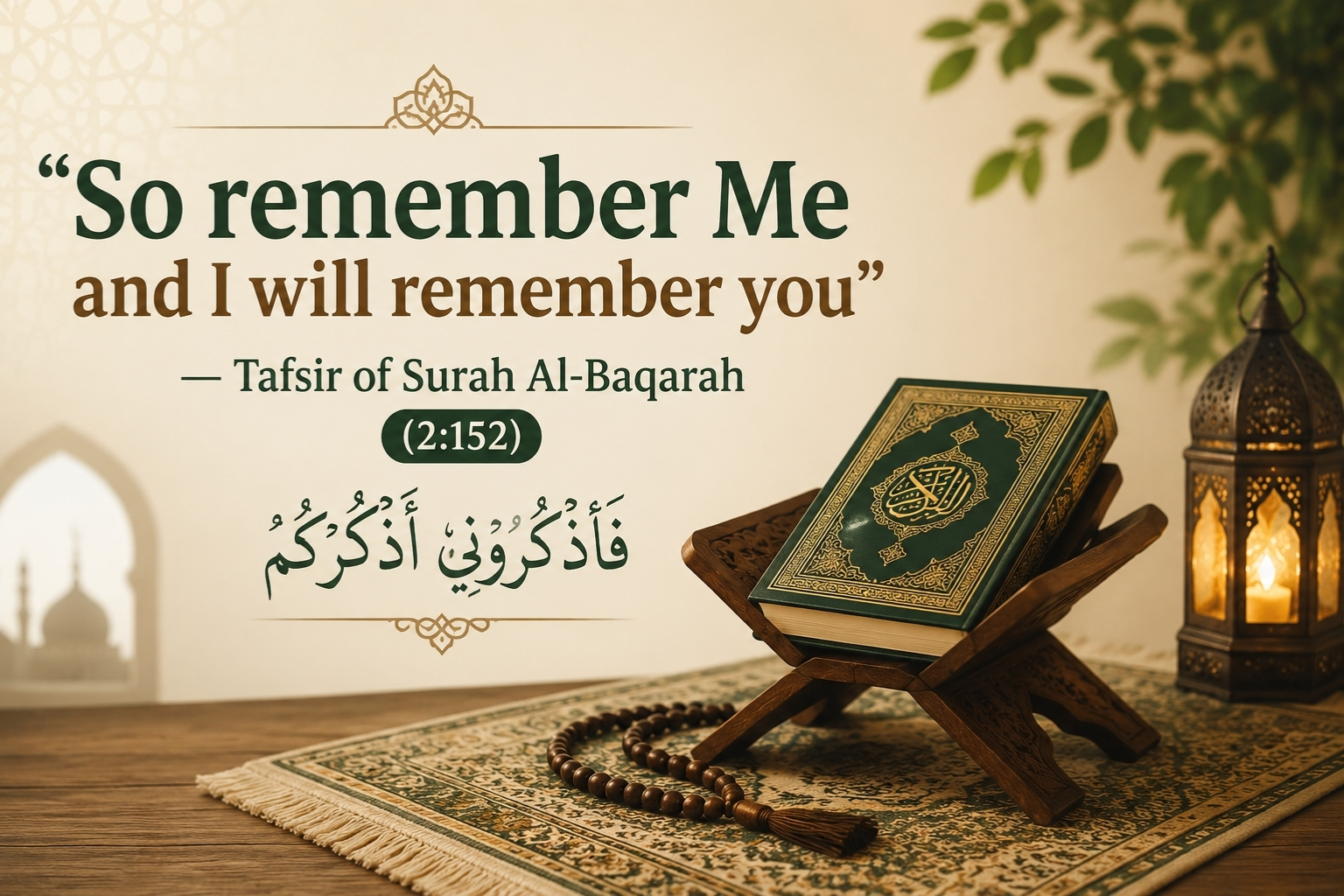
- The Power of Remembrance (Dhikr): The text provides a definitive psychological formula for anxiety relief: “Unquestionably, by the remembrance of God hearts find rest.” (Surah Ar-Ra’d, 28). It emphasizes that true mental tranquility cannot be achieved purely through materialistic means; it requires a spiritual alignment.
Conclusion: A Living Mirror for Your Inner Self
The Psychology of the Quran is designed to act as a living mirror. When you read its verses honestly, you are not just analyzing a text—the text is analyzing you. It exposes your hidden prides, validates your silent pains, and offers a clear, practical roadmap to elevate your mind from chaos to absolute peace.